

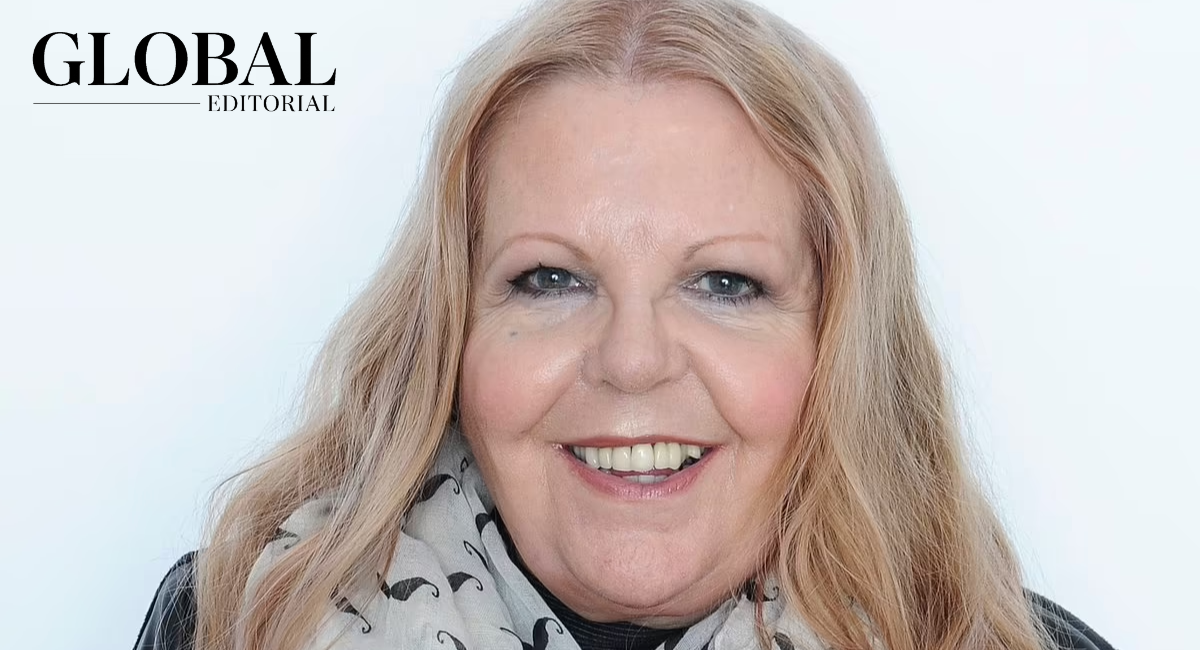
There is no confirmed diagnosis behind the phrase “Sally Thomsett face illness.” No UK newspaper, medical body, or statement from Thomsett herself has ever linked her to a facial condition. The buzz comes almost entirely from fans comparing old photos to new ones and drawing their own conclusions.
That doesn’t mean the curiosity is silly. Thomsett was part of the furniture of British telly in the 1970s, and people notice when a familiar face changes. Let’s separate the facts from the guesswork.
What Is the Sally Thomsett Face Illness Search Actually About?
The search term Sally Thomsett face illness isn’t based on a hospital record or a press release. It’s based on side by side photo comparisons that started doing the rounds on social media.
People saw pictures from her Railway Children days next to more recent snaps and assumed something medical must explain the difference. In most cases, that “something” is simply time.
Nobody looks exactly the same at 76 as they did at 20. That’s not a scandal. That’s biology doing its ordinary, unglamorous job, and it happens to every one of us eventually, famous or not.
Who Is Sally Thomsett, and Why Does Her Face Get So Much Attention?
Sally Thomsett is an English actress born on 3 April 1950 in Sussex, England, according to Wikipedia and IMDb. She became a household name after playing Phyllis in the 1970 film The Railway Children, even though she was 20 years old playing an eleven year old.
That casting quirk is part of British film trivia now. Jenny Agutter, who played her older sister Bobbie in the same film, was actually two years younger than Thomsett in real life. Funny how film magic works.
Here are a few verified facts worth knowing about her career:
- She played Jo in the ITV sitcom Man About the House from 1973 to 1976.
- She appeared in the 1971 film Straw Dogs as Janice.
- She was made an Honorary Member of the Keighley and Worth Valley Railway for her role in The Railway Children.
- Her earlier screen work included Dixon of Dock Green and Z-Cars.
- She has been married twice, to Nigel Newman and later Claus Hede Nielsen, and has been with partner Paul Agnew since 1993, with whom she has a daughter.
That’s a long, well documented career spanning six decades. It’s also the reason people still recognise her face today and clock every small change against a fifty year old memory.
Is There Any Confirmed Illness Behind Sally Thomsett’s Appearance?
No. There is currently no verified medical diagnosis, hospital statement, or interview in which Sally Thomsett confirms a facial illness. Reliable UK outlets have not reported one either.
What exists instead is speculation built on photographs. Some posts point to changes in muscle tone. Others guess at cosmetic work. None of it comes with medical evidence attached, and none of it comes from Thomsett or anyone authorised to speak for her.
It’s worth being honest about this rather than dressing up guesswork as news. A private citizen’s medical history isn’t public property just because she used to be on television every week in the 1970s.
Why Do Fans Think Something Has Changed?
Fans notice a difference mainly because of nostalgia, not medicine. The mental snapshot most people carry of Thomsett is frozen somewhere around 1973, and any departure from that image can feel jarring.
Add in modern high definition cameras, unflattering lighting at public events, and the simple fact that decades have passed, and the “shock” mostly explains itself.
The Nostalgia Effect
Nostalgia plays tricks on memory. When someone represents a beloved slice of childhood television, fans often expect them to be frozen in time, like a photograph rather than a living person.
That expectation was never realistic. Every actor from that era, from Bernard Cribbins to Jenny Agutter, has aged in exactly the same way Thomsett has. It’s just that Thomsett’s recent public appearances are rarer, so each one gets extra scrutiny when it happens.
Photos, Lighting, and Camera Angles
A candid phone photo at a fan event looks nothing like a lit, styled film still from 1970. That gap alone can make a completely healthy face look “different” online.
Sharp phone cameras also pick up detail that old film cameras simply couldn’t capture. What looks like a dramatic change is often just better resolution meeting an older face, plus a flash bulb at an awkward angle.
What Do Medical Experts Generally Say About Facial Ageing?
Doctors and dermatologists are fairly consistent on this point. Facial ageing is a universal, gradual process, not a sign of illness on its own. Skin loses collagen and elasticity, fat pads shift downward, and bone density can subtly change with age.
These shifts happen to everyone who lives long enough, famous or not. A changed jawline or softer cheek contour, by itself, tells you almost nothing about someone’s underlying health.
Conditions such as Bell’s palsy or the after effects of a stroke can genuinely alter facial appearance, and some online commenters have floated these as guesses for Sally Thomsett. But guessing a diagnosis from a photograph is not something even a qualified doctor would responsibly do, let alone a stranger scrolling through a fan forum.
Has Sally Thomsett Ever Spoken About Cosmetic Procedures?
She has not confirmed having any cosmetic facial surgery. Rumours about Botox, fillers, or a facelift circulate online, but none come with a direct quote, receipt, or clinic statement attached to back them up.
Some casual mentions of dental work do exist in fan discussions. Dental care is routine health maintenance, though, not evidence of a facial illness or a cosmetic procedure. It’s a stretch to turn a dentist’s appointment into tabloid material, however tempting the headline sounds.
Why Do Celebrity Health Rumours Spread So Fast in the UK?
Celebrity health rumours travel fast because they combine two things people love: nostalgia and mystery. A quiet, private former star gives the internet very little real information to work with, so it fills the gap itself with theories.
UK privacy protections make this trickier for rumour mongers, in a good way. Under the Data Protection Act 2018 and UK GDPR, medical information counts as sensitive personal data, and nobody, celebrity or not, is obligated to share it with the public.
Thomsett has largely stepped back from public life since her acting days wound down. That silence isn’t suspicious in itself. It’s simply someone exercising a right that plenty of people would want for themselves if the roles were reversed.
How Common Are Rumours Like This for Retired British Actors?
Sally Thomsett is far from the only star of that generation to face this kind of speculation. It’s a familiar pattern for actors who were household names in the 1970s and have since chosen quieter lives.
Reduced media appearances, combined with decades of accumulated nostalgia, tend to create a vacuum online. Fans fill that vacuum with theories, because curiosity dislikes a gap far more than it dislikes being wrong.
The pattern repeats across British entertainment. A beloved face steps back from the spotlight, a handful of recent photos surface, and speculation fills in for the missing interviews and press appearances that used to keep people informed.
What Should You Do When You See a Celebrity Health Rumour Online?
A little scepticism goes a long way here. Before sharing or believing a claim like Sally Thomsett face illness, it helps to check a few basics first.
- Look for a direct quote from the person themselves, not just a headline built around their name.
- Check whether reputable outlets, not just blogs chasing search traffic, have reported the same claim.
- Remember that photo comparisons across decades are not medical evidence of anything.
- Ask whether the story respects the person’s privacy or simply exploits curiosity for clicks.
Applying that quick checklist would clear up most celebrity health rumours within about thirty seconds.
What Can We Learn From the Sally Thomsett Face Illness Story?
The real lesson here isn’t really about Sally Thomsett at all. It’s about how quickly a search trend can be mistaken for a medical fact. A comparison photo plus a bit of imagination is not a diagnosis, no matter how many times it gets reshared across social media.
If you came looking for confirmation of an illness, the honest answer is that none exists publicly. What does exist is a well loved actress who is older now, values her privacy, and has every right to age quietly out of the spotlight like anyone else would.
Frequently Asked Questions
Does Sally Thomsett have a confirmed facial illness? No. There is no public statement, medical record, or credible news report confirming any facial illness.
Why do people search for Sally Thomsett face illness? Mostly because of photo comparisons shared online, alongside natural curiosity about a familiar 1970s TV face that hasn’t been seen much recently.
Has Sally Thomsett had cosmetic surgery? There’s no confirmed evidence of this. Any claims online remain speculation rather than fact, since no clinic or interview backs them up.
What is Sally Thomsett best known for? Playing Phyllis in The Railway Children (1970) and Jo in Man About the House (1973 to 1976), alongside a role in Straw Dogs (1971).
Is it normal for faces to change this much with age? Yes. Skin elasticity, fat distribution, and bone structure all shift naturally over decades, regardless of a person’s health status.
Final Thoughts
Curiosity about a familiar face is completely understandable, and there’s nothing wrong with wondering what happened to a childhood favourite. The fair conclusion, based on everything publicly available, is that Sally Thomsett face illness remains an unconfirmed online theory rather than a documented health story.
Until Thomsett or a credible outlet says otherwise, the kindest and most accurate approach is to enjoy her old work, respect her privacy, and let the rumour mill run out of fuel on its own.